English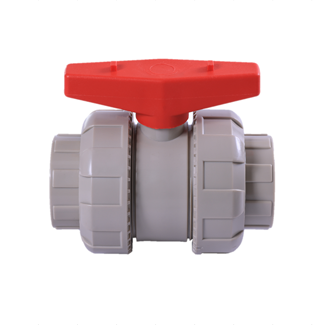
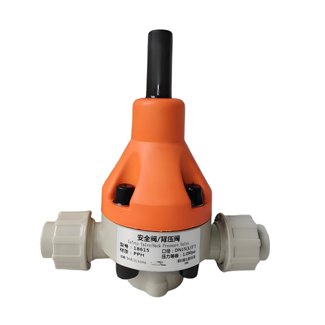
Why Chemical Plants Are Switching to PPH Diaphragm ValvesAn audit of Turkish chemical plants revealed that 43% of hazardous material incidents involved valve failures - until facilities adopting Xiame...
Read More
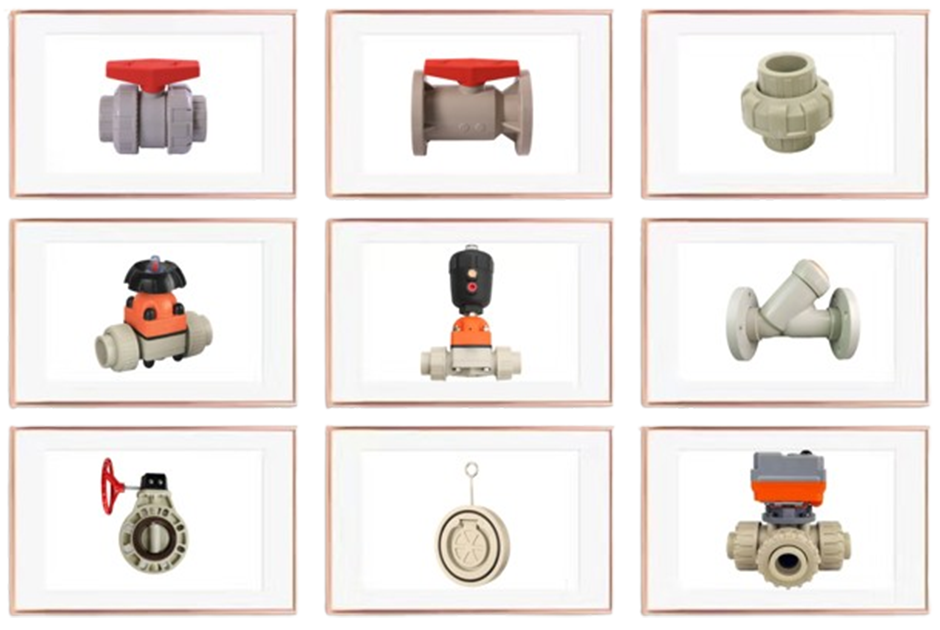
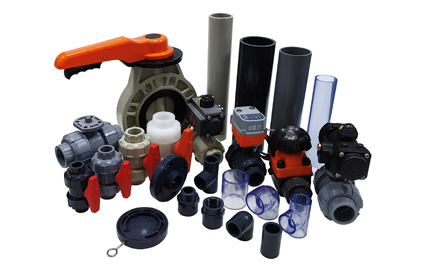
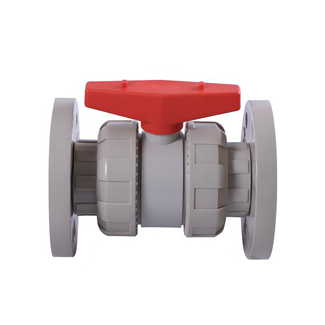
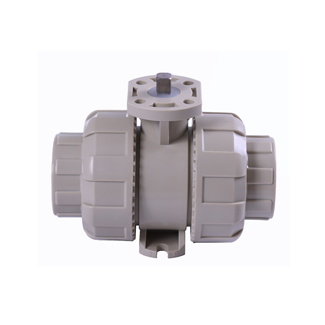
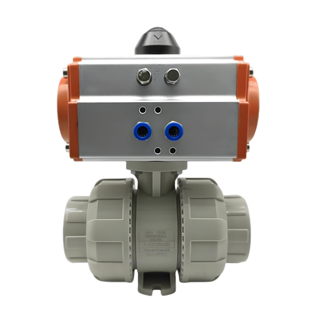
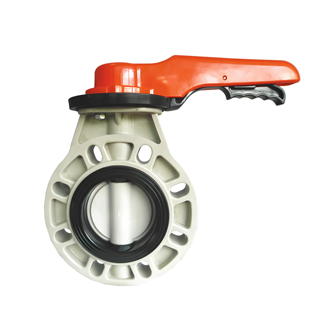
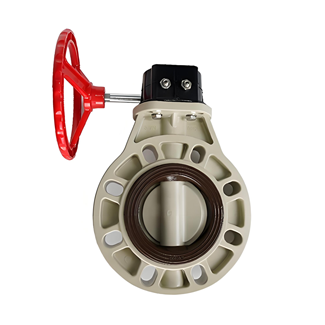
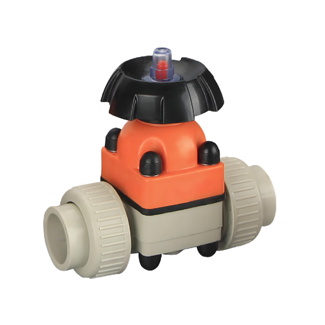
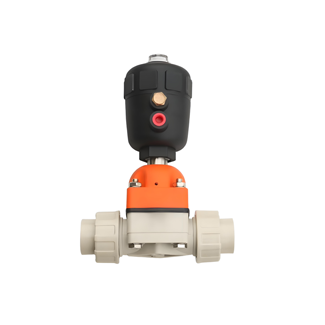
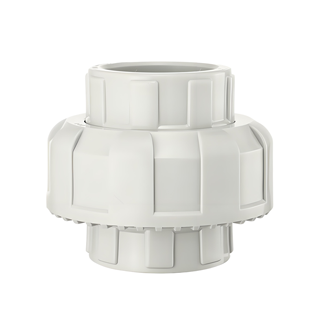
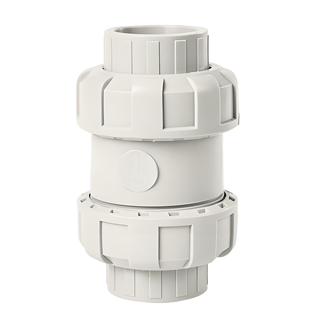
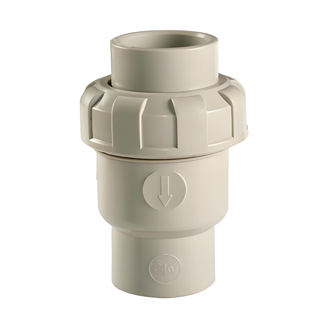
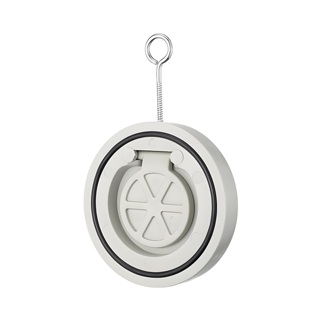
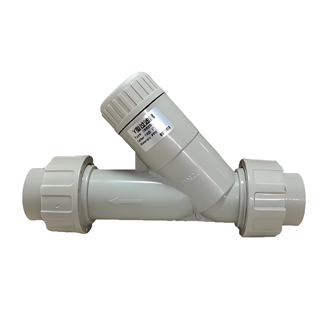
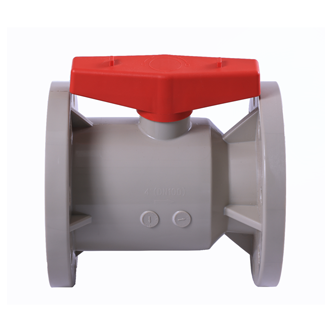
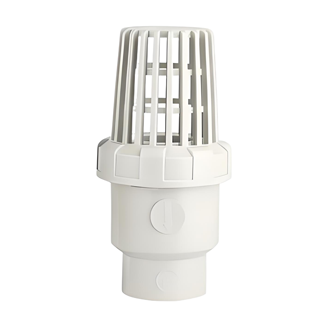
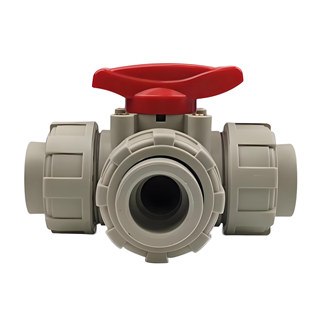
We supply wide range of PPH Valves base on high-grade PPH (Polypropylene Homopolymer) with superior chemical & corrosion resistance.
One station Solution Service is your best choice.
PPH valves offer outstanding chemical resistance for demanding applications where metals and other plastics fail. Their balance of performance and cost-effectiveness makes them ideal for corrosive chemical handling across multiple industries. PPH valve immune to galvanic, pitting, and crevice corrosion; Different with UPVC&CPVC products, PPH valve resistance to aromatic/chlorinated solvents; Derating required at elevated temperatures.
Polypropylene (PP), also known as polypropene, is a thermoplastic polymer used in a wide variety of applications including packaging and labeling, textiles (e.g., ropes, thermal underwear and carpets), stationery, plastic parts and reusable containers of various types, laboratory equipment, loudspeakers, automotive components, and polymer banknotes—with its homopolymer variant being a core material for high-performance pph true union ball valve. There are three general types of polypropylene: homopolymer, random copolymer, and block copolymer. The comonomer is typically used with ethylene. Polypropylene Random Copolymer (PP-R) is formulated by adding randomly polymerized ethylene monomer to polypropylene homopolymer. It decreases the polymer crystallinity and makes the polymer more transparent.Polypropylene Homopolymer (PP-H) is another type of PP. It has better temperature & creep resistance than PPR, and with low temperature impact strength, making it well-suited for robust pph valve applications.
Max temperature of PPH pipes is 110℃, and they are usually used below 90℃. They are applied for cooling water transfer, corrosive material transfer, fume ducts, electrolyze systems, and other piping systems with acid liquids.