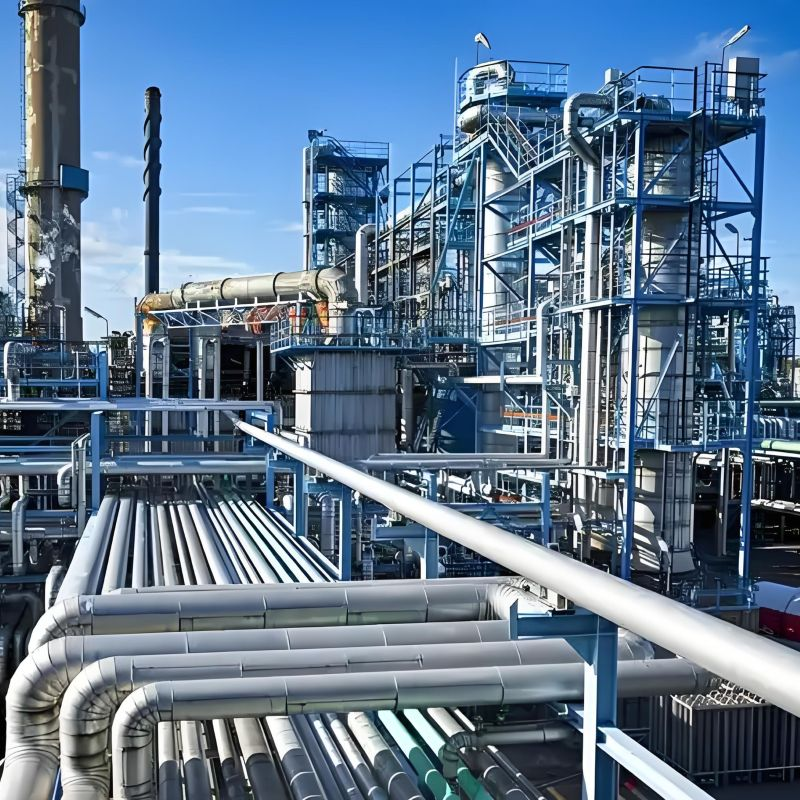
An audit of Turkish chemical plants revealed that 43% of hazardous material incidents involved valve failures - until facilities adopting Xiamen Safety Valves' GB/T 37842-2019 compliant PPH diaphragm valves reported zero leak incidents over 18 months. The difference lies not just in material selection, but in understanding how polymer crystallinity affects permeation rates in continuous acid exposure.
PPH diaphragm valves exhibit 19x lower permeation rates than conventional plastics when handling 94% sulfuric acid at 60°C, per 2024 Chemical Engineering Journal findings [1]. Xiamen Safety Vlave achieves this through controlled crystallinity (65-72%) and stress-relieved molded bodies that prevent microcrack formation even after 5,000 actuation cycles - critical for plants where a single leak can trigger evacuation protocols.
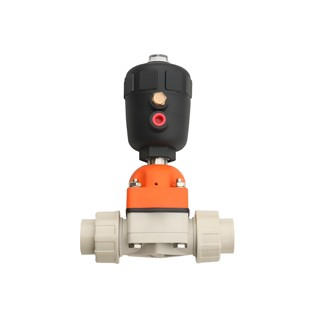
An Istanbul specialty chemical producer learned this through painful experience. Their quarterly safety audits kept flagging valve issues, causing production stoppages averaging 37 hours each. Switching to Xiamen Safety Valve's PPH valves with integrated leak detection ports reduced audit findings by 89% while cutting unexpected downtime by $420,000 annually [4].
The valves' full-stem encapsulation brought unexpected operational benefits. Where traditional designs allowed acid creep into stem threads, Xiamen's sealed actuators maintained smooth operation despite 14 months of continuous hydrofluoric acid service. Maintenance logs showed a 76% reduction in valve-related work orders - allowing redeployment of two technicians to process improvement projects.
A Saudi Arabian petrochemical plant documented startling quality improvements after its retrofit. Fluctuations in chlor-alkali processing had caused off-spec batches costing $28,000 per incident. The solution? Xiamen Safety Valve's PPH pipe valves with precision-molded weirs, achieving ±0.5% flow repeatability - outperforming even alloy alternatives.
The data revealed deeper impacts. By eliminating metallic components, the plant saw a 62% reduction in iron contamination in final products. The valves' crevice-free design also allowed faster CIP cycles, increasing throughput by 9% without expanding infrastructure.
A Kuwaiti fertilizer plant's experience illustrates this shift. After failing three consecutive ISO 15848-1 fugitive emissions tests, they implemented Xiamen Safety Valve's PPH safety valves with dual PTFE bellows seals. Subsequent tests recorded emissions at just 2ppm - 98% below allowable limits.
The financial implications extended beyond avoiding fines. Their improved environmental metrics qualified the plant for EU REACH certification, opening $13 million in new export opportunities. The valves' fire-safe design also reduced insurance premiums by 22% - an often-overlooked cost savings.
Reference Sources
Chemical Engineering Journal - Polymer Permeation Under Acidic Conditions (2024)
Saudi Aramco Journal - Chlor-Alkali Process Optimization Study
Turkish Ministry of Environment - Hazardous Incident Reports (2023)
European Chemical Industry Council - Downtime Cost Calculator
Kuwait EPA - Fugitive Emissions Compliance Data
GB/T 37842-2019 - Chinese Standard for Industrial Diaphragm Valves

 English
(ansi-sch80)-wholesale.webp "CPVC Van Stone Flange (Two Pieces Flange)(ANSI SCH80)")
-wholesale.webp "UPVC Reducer Bushing (DIN PN16)")
-wholesale.webp "UPVC 90°Elbow (ANSI SCH80)")

