English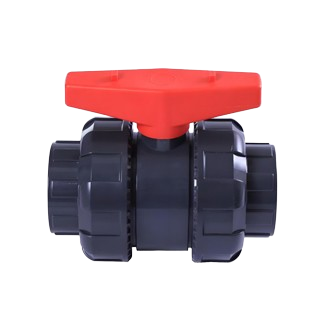
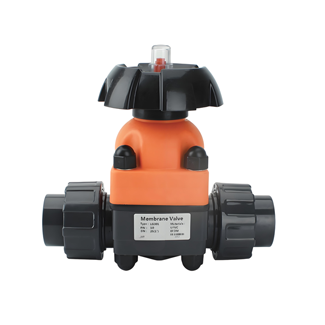
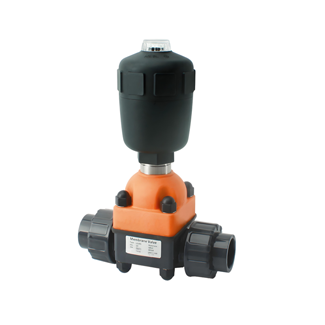
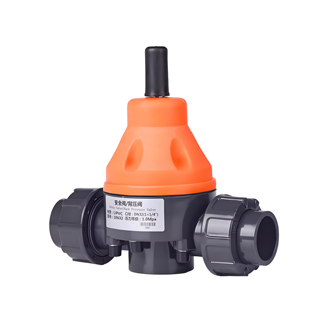
Why Chemical Plants Are Switching to PPH Diaphragm ValvesAn audit of Turkish chemical plants revealed that 43% of hazardous material incidents involved valve failures - until facilities adopting Xiame...
Read More
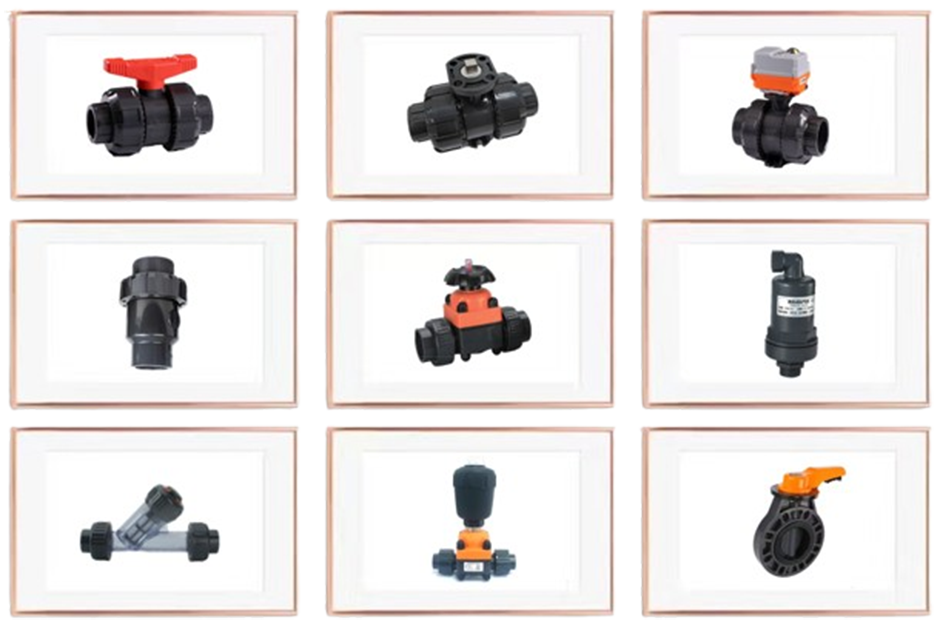
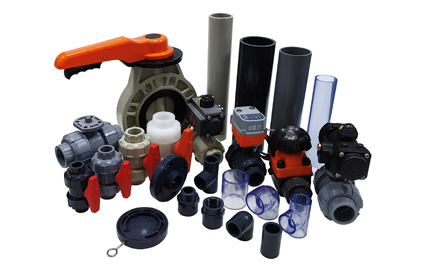
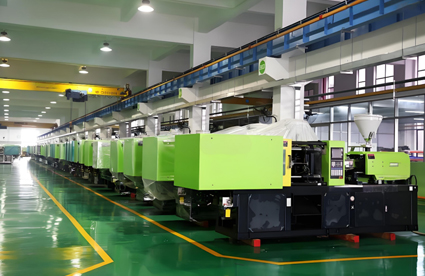
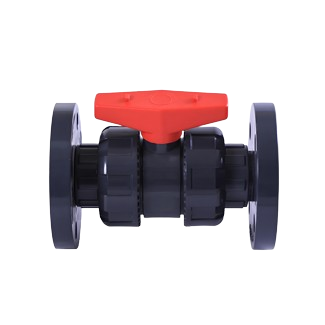
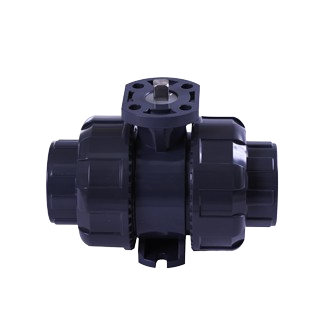
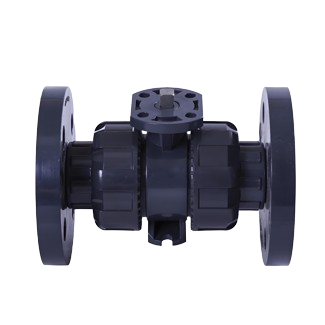
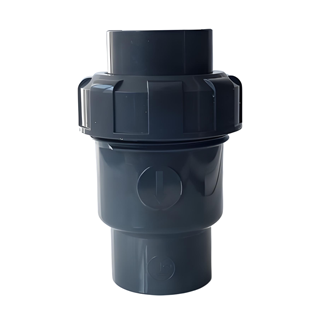
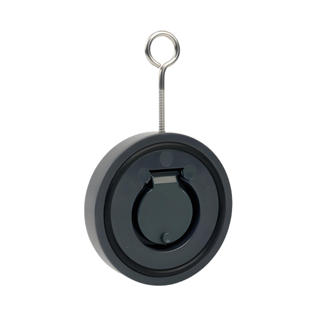
Backed by a skilled production and management team, we oversee every step in-house—from R&D and mold design to sampling and mass production. Rigorous quality control ensures precision in every detail of upvc valves, with critical dimensions machined on CNC centers for flawless performance.
At the correct operating temperature (The long-term working temperature range of UPVC is 5℃ to 45℃), UPVC can resistant most of heavy acid and heavy alkali which including Hydrochloric acid(HCI), Sulfuric acid(Sulfuric acid) (H₂SO₄), Nitric acid(HNO₃); Sodium hydroxide(NaOH), Potassium hydroxide(KOH), Ammonia water(NH3·H2O) and Sodium hypochlorite (NaCIO) etc. However, since UPVC can be dissolved in benzene, it is not resistant to benzene-based liquids.
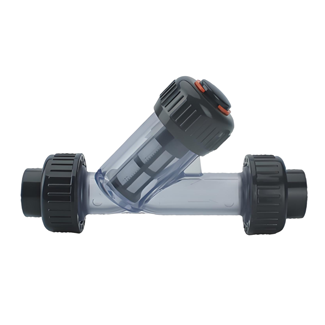
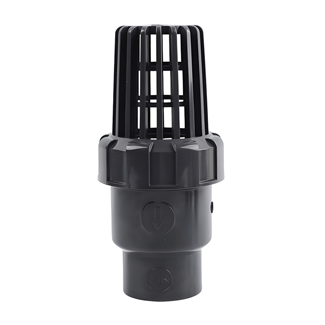
Our UPVC products—including the durable upvc stainer—are added with UV inhibitors to make them can withstand ultraviolet rays in a certain extent. However, in order to exert their performance preferably and ensure long-term stable operation, it is better to avoid direct exposure to ultraviolet rays for a long time. This applies equally to upvc valve installations.
Although UPVC is an excellent acid and alkali resistant material, it may become relatively brittle in low-temperature environments, a factor that requires special attention when using upvc valves in cold regions. When applied in cold regions, it is necessary to take proper protective measurement.
Polyvinyl chloride is polymerized of monomer vinyl chloride(VCM). It is a kind of engineering plastic with high cost performance. It’s more effective than traditional materials such as copper, iron or steel in pipe and profile applications. It can be used decades normally with low maintenance costs, making it an excellent material for components like upvc valve.
Max working temperature of UPVC products is 60℃, and they are usually used below 45℃. They are widely applied for diferent chemical liquid process system, water supply system, and agriculture irrigation system etc.