English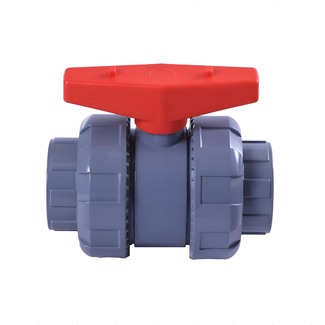
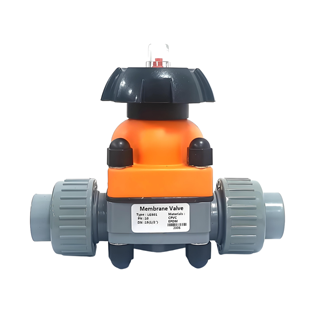
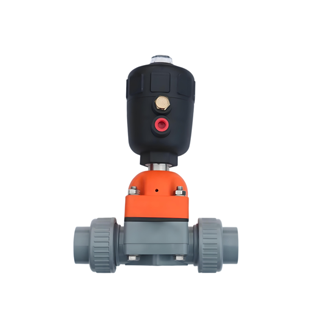
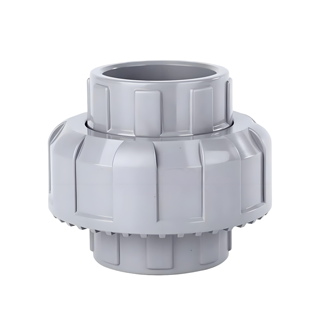

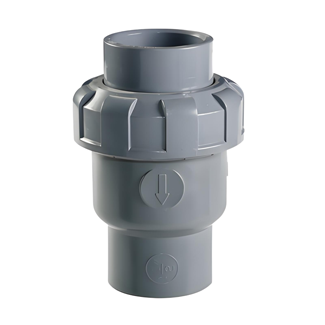
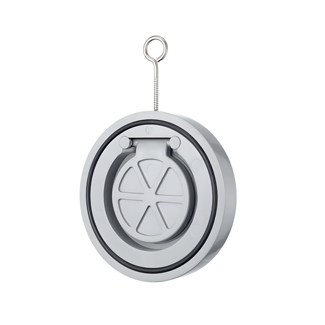
Why Chemical Plants Are Switching to PPH Diaphragm ValvesAn audit of Turkish chemical plants revealed that 43% of hazardous material incidents involved valve failures - until facilities adopting Xiame...
Read More
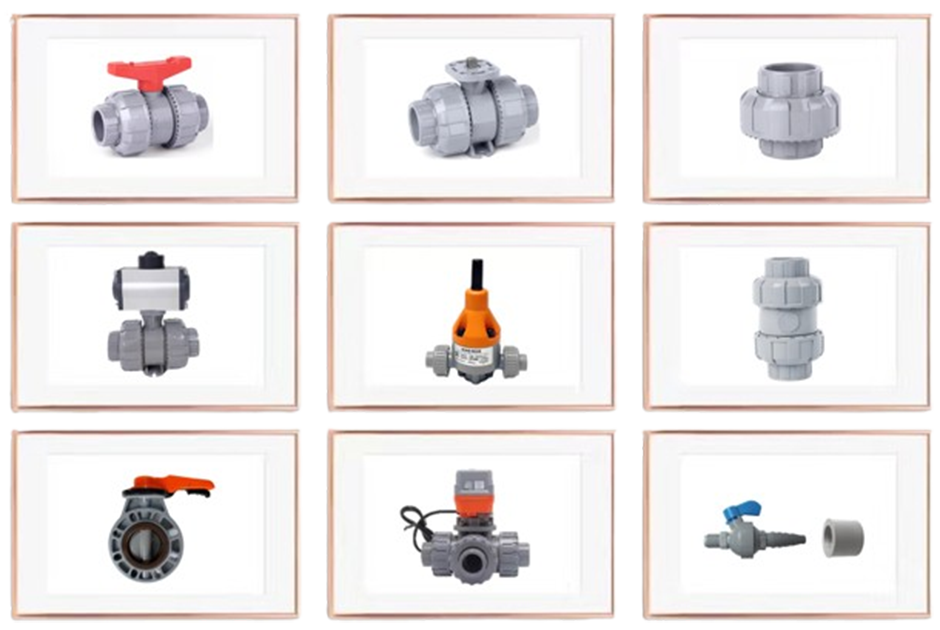
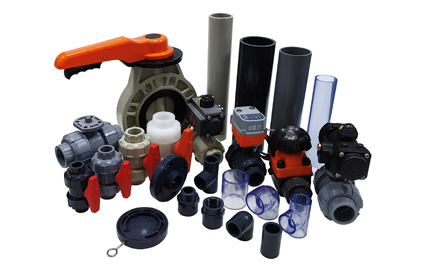
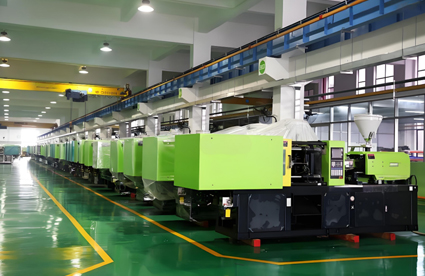
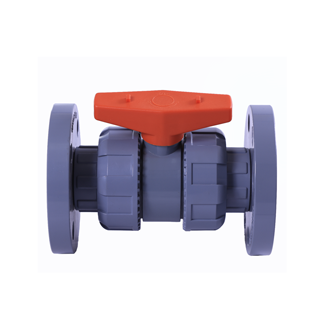
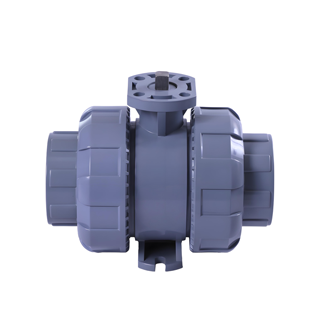
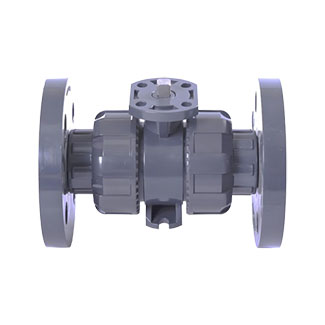
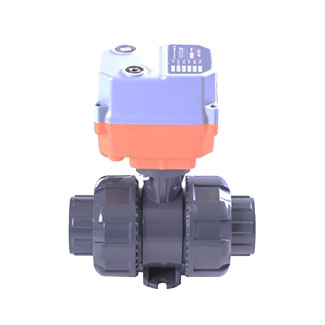
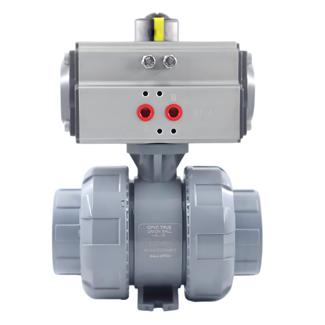
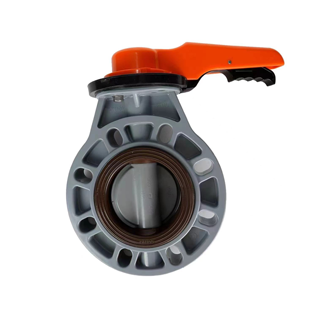
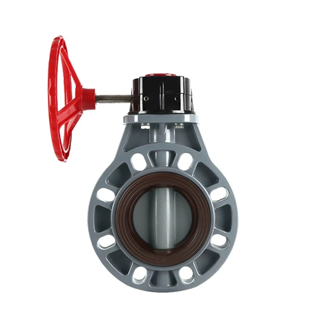
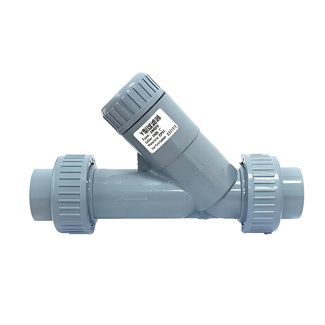
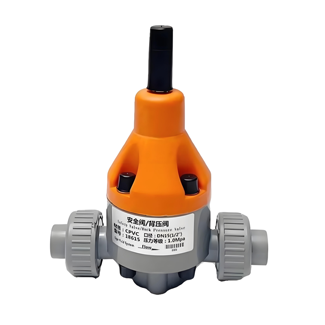
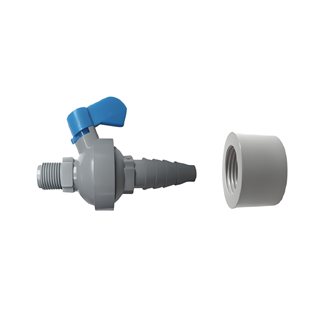
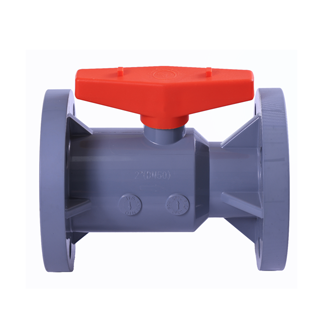
We have a high-quality production and management team. From R&D and design, mold making, sample's production, until to mass production, we all Self-completed independently. We have effectively controlled every process of the product, especially for key dimensions of our cpvc valve components, we machining them by CNC center to ensure the accuracy of dimension accuracy, to make every product to have an excellent performance.
Compare with UPVC, CPVC can resistant much higher temperature, long-term working temperature range of CPVC is 5℃ to 95℃ (short-term peaks up to 110°C / 230°F possible), CPVC offers excellent resistance to a broad range of chemicals, often surpassing UPVC in most of applications,typically stronger than UPVC under thermal stress.CPVC does not corrode, rust, or scale, even under prolonged exposure to aggressive media. These properties make cpvc valve an ideal choice for high-temperature and corrosive environments.
As same as UPVC, CPVC not suitable for aromatic/chlorinated solvents(such as benzene-based liquids)due to its chemical properties.
CPVC is PVC (polyvinyl chloride) that has been chlorinated. Depending on the method, a varying amount of chlorine is introduced into the polymer allowing for a measured way to fine tune the final properties. The chlorine content may vary from manufacturer to manufacturer; the base can be as low as PVC 56.7% to as high as 74% by mass, although most commercial resins have chlorine content from 63% to 69%. CPVC can withstand corrosive water at temperatures greater than PVC, typically 40°C to 50°C (104°F to 122°F) or higher, contributing to its popularity as a material for chemical piping systems.
Max working temperature of CPVC products is 110℃, and they are usually used below 95℃. They are applied for petro, electronics, chemical engineering, food, and metal plating industries etc.