English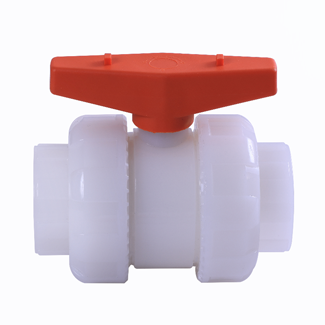
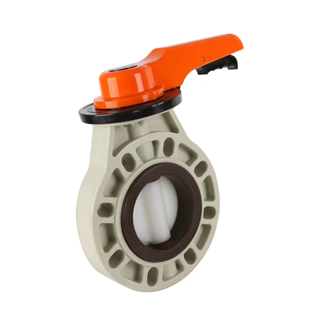
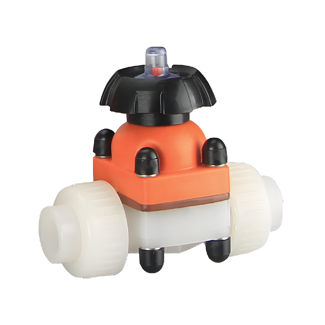
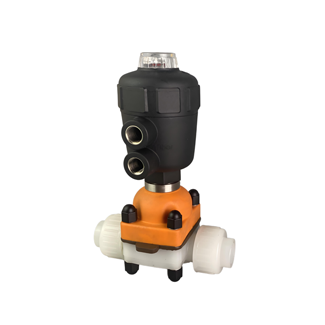
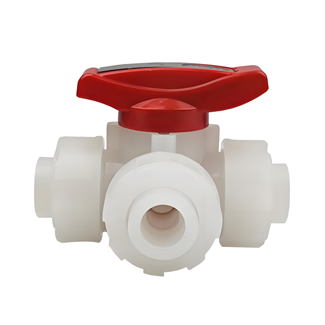
Why Chemical Plants Are Switching to PPH Diaphragm ValvesAn audit of Turkish chemical plants revealed that 43% of hazardous material incidents involved valve failures - until facilities adopting Xiame...
Read More
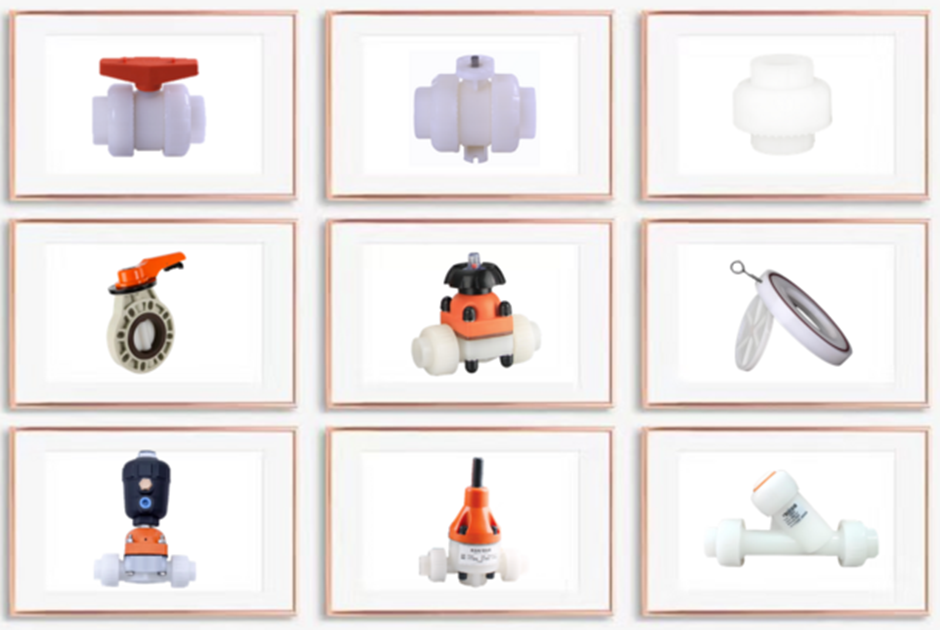
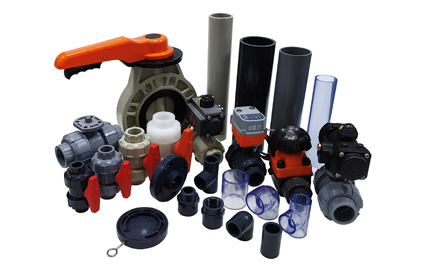
With a focus on precision engineering and compliance with DIN standards, we serve industries like chemical processing, water treatment, semiconductor manufacturing, and pharmaceuticals. Partner with us for reliable PVDF valves tailored to your specific needs, with pvdf valves backed by expert technical support and competitive pricing that align with the rigorous demands of your industrial applications.
The long-term working temperature range of PVDF products is -30℃ to 150℃. PVDF is one of the most chemically resistant thermoplastics, offering exceptional performance against most acids & alkalis. Excellent resistance to sulfuric acid (H₂SO₄), nitric acid (HNO₃), phosphoric acid (H₃PO₄), and hydrobromic acid (HBr) at moderate temperatures. Highly resistant to sodium hydroxide (NaOH), potassium hydroxide (KOH), and ammonia (NH₃) at standard concentrations, further demonstrating the suitability of pvdf valve in aggressive chemical environments......
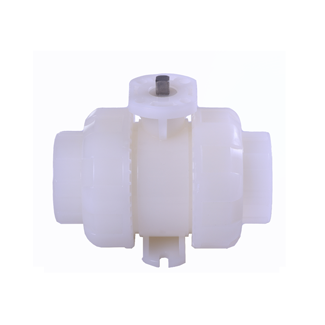
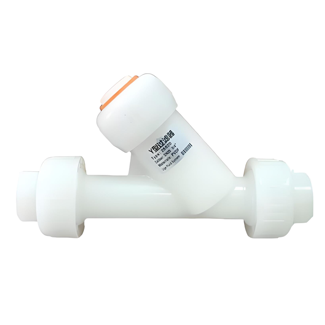
Polyvinylidene fluoride, referred to as PVDF, is a monomer formed by trifluoroethylene, hydrofluoric acid, and zinc powder, and after polymerization generates a white crystalline solid. It is a homopolymer. PVDF has excellent heat and cold resistance, chemical resistance, and excellent physical and mechanical properties—qualities that make it ideal for components like the PVDF true union ball valve and the PVDF Y strainer, which leverage these traits for reliable performance in demanding systems. These characteristics also make PVDF an excellent material for a pvdf valve.
The max working temperature of PVDF pipes is 200℃, and they can be used for a long time in the temperature range of -30℃ ~ 150℃. With its excellent corrosion resistance, long service life, and high safety performance, PVDF products—including the PVDF true union ball valve and the PVDF Y strainer—are widely used in severe environments characterized by high temperature, high pressure, low temperature, high vacuum, and heavy corrosion. Additionally, for applications requiring different material properties, the UPVC Y strainer offers a versatile alternative, ensuring comprehensive solutions for various industrial needs.